Comprehensive Guide to Preventing Plumbing Emergencies Year-Round
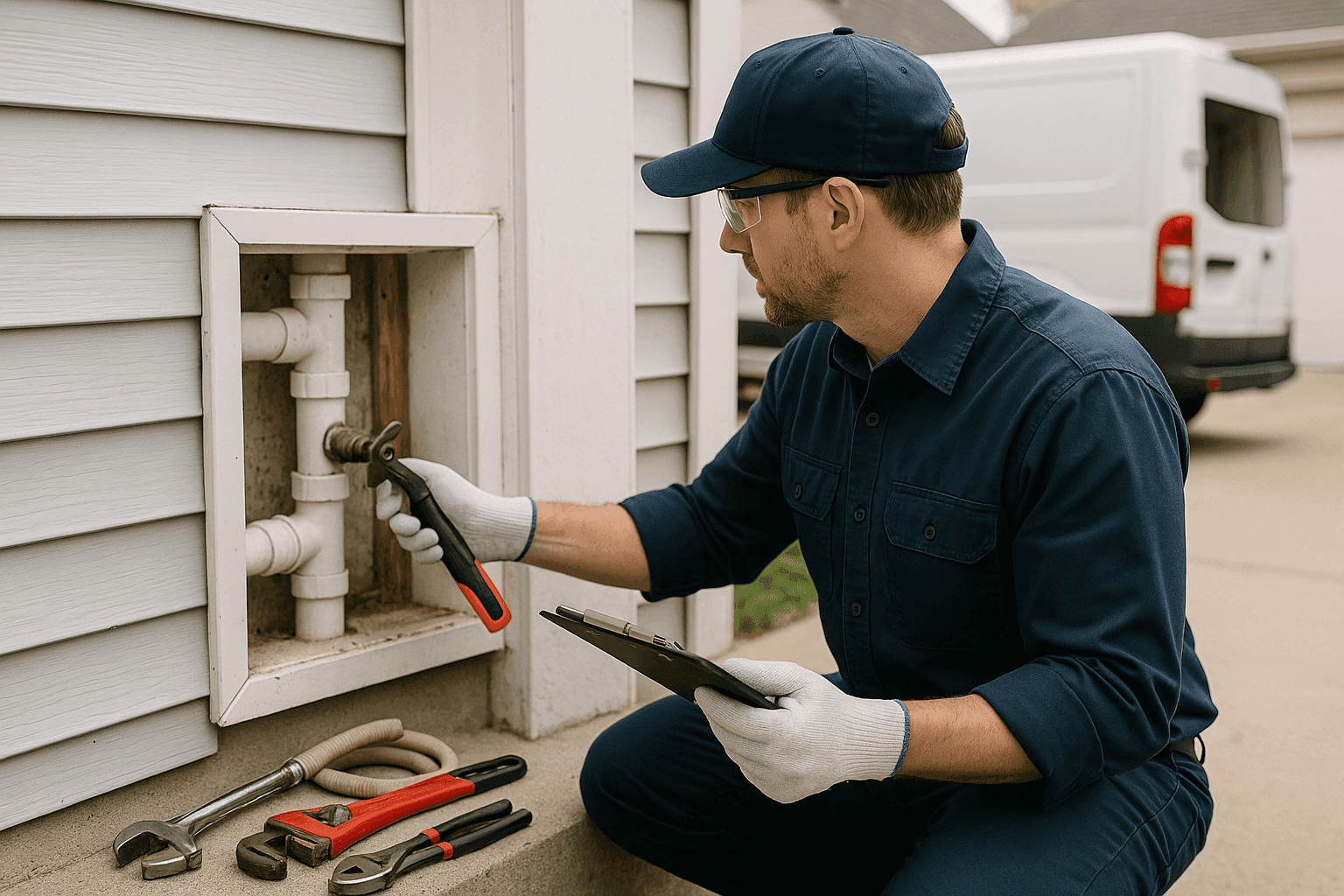
Plumbing emergencies don’t wait for a convenient time. A burst pipe or a flooded basement can turn any day upside down. Homeowners and small business owners know the stress—water everywhere, frantic searches for the shut-off valve, and that nagging question: could this have been prevented?
At Burger Plumbing, we see firsthand how a little preparation can save a ton of hassle. This guide is your go-to resource for keeping plumbing disasters at bay, day in and day out. Let’s dive into practical steps, seasonal checks, and the warning signs that matter most.
Understanding Common Plumbing Emergencies 🚨
Plumbing emergencies can sneak up like a thunderstorm on a sunny afternoon. Some of the most frequent issues we encounter include:
- Burst pipes: Often caused by freezing temperatures or aging pipes. When water freezes, it expands—like a soda can left in the freezer—causing pipes to crack or burst.
- Leaks: Small drips can hide behind walls or under sinks, slowly causing damage and mold.
- Clogged drains and toilets: Hair, grease, and debris build up over time. One day, water just won’t go down.
- Water heater failures: Cold showers, strange noises, or even leaks near your water heater.
- Sewer backups: When waste can’t flow out, it comes back in. Not a pleasant surprise.
Recognizing these issues early can make all the difference. The longer you wait, the bigger the headache—and the repair bill.
Seasonal Plumbing Maintenance Tips
Just as you prepare your home for changing seasons, your plumbing needs a little TLC throughout the year. Each season brings unique challenges and opportunities for prevention.
Winter: Freeze Prevention
- Insulate exposed pipes: Use foam sleeves or wrap pipes in unheated areas like basements and garages.
- Let faucets drip: A slow trickle keeps water moving and helps prevent freezing.
- Seal drafts: Check for gaps near pipes and seal them to keep cold air out.
- Know your main shut-off valve: If a pipe bursts, turning off the water quickly can minimize damage.
Spring: Thaw and Inspect
- Check for leaks: Inspect faucets, hose bibs, and pipes for any signs of damage from winter.
- Clean gutters and downspouts: Prevent water from pooling near your foundation.
- Test sump pumps: Pour water into the pit and make sure it pumps away properly.
Summer: Pipe and Fixture Checks
- Look for slow drains: Summer gatherings can strain your drains. Address slow drainage before clogs form.
- Inspect washing machine hoses: Hot weather can weaken rubber hoses—replace if cracked or bulging.
- Check outdoor plumbing: Sprinkler systems and outdoor faucets need attention after heavy use.
Fall: Storm Readiness
- Clear leaves from drains: Prevent blockages before heavy rain.
- Inspect water heater: Sediment buildup can shorten its life. Flush it if needed.
- Test backflow prevention devices: Ensure they’re working to keep contaminated water out.
Leak Detection and Early Warning Signs
Leaks can be sneaky. Like a slow leak in a bike tire, you may not notice until things go flat—fast.
Watch for these early warning signs:
- Unexplained water bills: A sudden jump could mean water is escaping somewhere.
- Musty odors: Persistent damp smells often signal hidden leaks.
- Stains or bubbling paint: Water behind walls can cause paint or wallpaper to peel.
- Mold or mildew: Especially in places that should stay dry.
If you spot any of these, investigate right away. The Environmental Protection Agency (EPA) recommends fixing household leaks promptly to save water and prevent damage.
Preventative Measures for Drain and Sewer Health
Think of your drains like arteries in your home’s plumbing system—blockages can cause serious trouble.
- Use drain strainers: Catch hair, food scraps, and debris before they go down the drain.
- Avoid pouring grease: Let fats and oils solidify in a container, then toss them in the trash.
- Flush only toilet paper: Wipes, paper towels, and hygiene products can clog pipes.
- Schedule regular drain cleaning: Professional cleaning helps prevent buildup deep in your system.
- Backflow prevention: Install and test devices to stop contaminated water from flowing backward.
The Uniform Plumbing Code (UPC) and International Plumbing Code (IPC) both recommend regular inspections for backflow devices, especially in commercial settings.
Emergency Preparedness Checklist
When a plumbing emergency strikes, seconds count. Here’s a quick checklist to help you act fast:
- Know your main water shut-off location: Practice turning it off.
- Keep Burger Plumbing’s number handy: Save it in your phone.
- Store basic tools: Adjustable wrench, plunger, and towels.
- Check for leaks regularly: Under sinks, behind toilets, and around appliances.
- Have a backup sump pump: Especially in flood-prone areas.
- Know how to turn off gas lines: For water heaters or gas plumbing.
Preparation is your best defense. A few minutes now can save hours of stress later.
Professional Inspections: Why They Matter
Routine inspections by a licensed plumber can reveal hidden issues before they become emergencies. At Burger Plumbing, we use advanced leak detection, video sewer inspections, and pressure testing to spot small problems early.
Benefits of regular maintenance:
- Catch leaks before they spread
- Prevent costly water damage
- Extend the life of your plumbing system
- Improve water quality and pressure
- Stay compliant with safety codes
The American Society of Home Inspectors (ASHI) and the International Association of Plumbing and Mechanical Officials (IAPMO) both recommend annual plumbing checkups for homes and small businesses.
DIY vs. Call a Pro
Some plumbing tasks are safe for DIY. Others need a professional’s touch.
DIY-friendly:
- Plunging a clogged toilet
- Tightening a loose faucet
- Replacing a showerhead
Call a pro for:
- Persistent leaks
- Burst or frozen pipes
- Sewer backups
- Water heater issues
- Gas line repairs
If you’re ever in doubt, it’s safer (and often cheaper) to call Burger Plumbing. We’re ready 24/7 for emergency plumbing needs.
What Pros Do On Arrival
When our team arrives, we get right to work:
- Assess the situation: Identify the cause and extent of the problem.
- Shut off water or gas if needed: Safety comes first.
- Contain the damage: Use pumps, vacuums, or barriers.
- Diagnose with advanced tools: Leak detectors, cameras, and pressure gauges.
- Repair or replace: Pipes, fittings, fixtures, or appliances as needed.
- Test the system: Ensure everything is safe and working before we leave.
Our goal is to fix the problem quickly and help you understand what happened—and how to prevent it next time.
Costs & Time Factors
Plumbing emergencies can range from a quick fix to a full-day project. Here’s what affects cost and timing:
- Type of emergency: A clogged sink is faster to fix than a burst sewer line.
- Location: Hidden leaks take longer to find and repair.
- Parts needed: Special order items may add time.
- Extent of damage: Water damage or mold remediation can increase both cost and repair time.
According to the Insurance Information Institute, water damage is one of the most common and costly claims for homeowners and businesses. Regular maintenance is the best way to avoid these expenses.
When It’s an Emergency
Not sure if it’s an emergency? If you see any of these, call right away:
- Water gushing or flooding
- No water at all
- Sewage backing up
- Gas smell near appliances
- Sudden drop in water pressure
Quick action can minimize damage and keep your family or business safe.
FAQ
How often should I have my plumbing inspected?
Most experts, including the American Society of Home Inspectors, recommend a full inspection at least once a year. Older homes or commercial properties may need more frequent checks.
What’s the best way to prevent frozen pipes?
Insulate pipes in unheated areas, seal up drafts, and let faucets drip during extreme cold. Know where your main shut-off valve is in case a pipe bursts.
Can I use chemical drain cleaners?
Chemical cleaners can damage pipes and harm the environment. It’s better to use a plunger, a drain snake, or call a professional for stubborn clogs.
Is it safe to repair a gas line myself?
No. Gas lines require specialized knowledge and equipment. Always call a licensed plumber for gas line installation or repair.
Special Considerations for Homeowners and Small Business Owners
Every property is unique. If you have older plumbing, a basement, or commercial-grade fixtures, you may need tailored solutions:
- Older homes: Watch for corroded pipes, outdated fixtures, and signs of wear.
- Basements: Sump pumps and backflow prevention are crucial to avoid flooding.
- Small businesses: Regular backflow testing and compliance with health codes protect your customers and your investment.
- Water filtration systems: Regular maintenance keeps water clean and appliances running smoothly.
Stay proactive. Address small issues before they grow into big ones. Your plumbing is the lifeline of your property—give it the care it deserves.
Call Burger Plumbing now — or reach us anytime at 1-877-778-5124 .