How to Prepare Your Plumbing for Seasonal Weather Changes
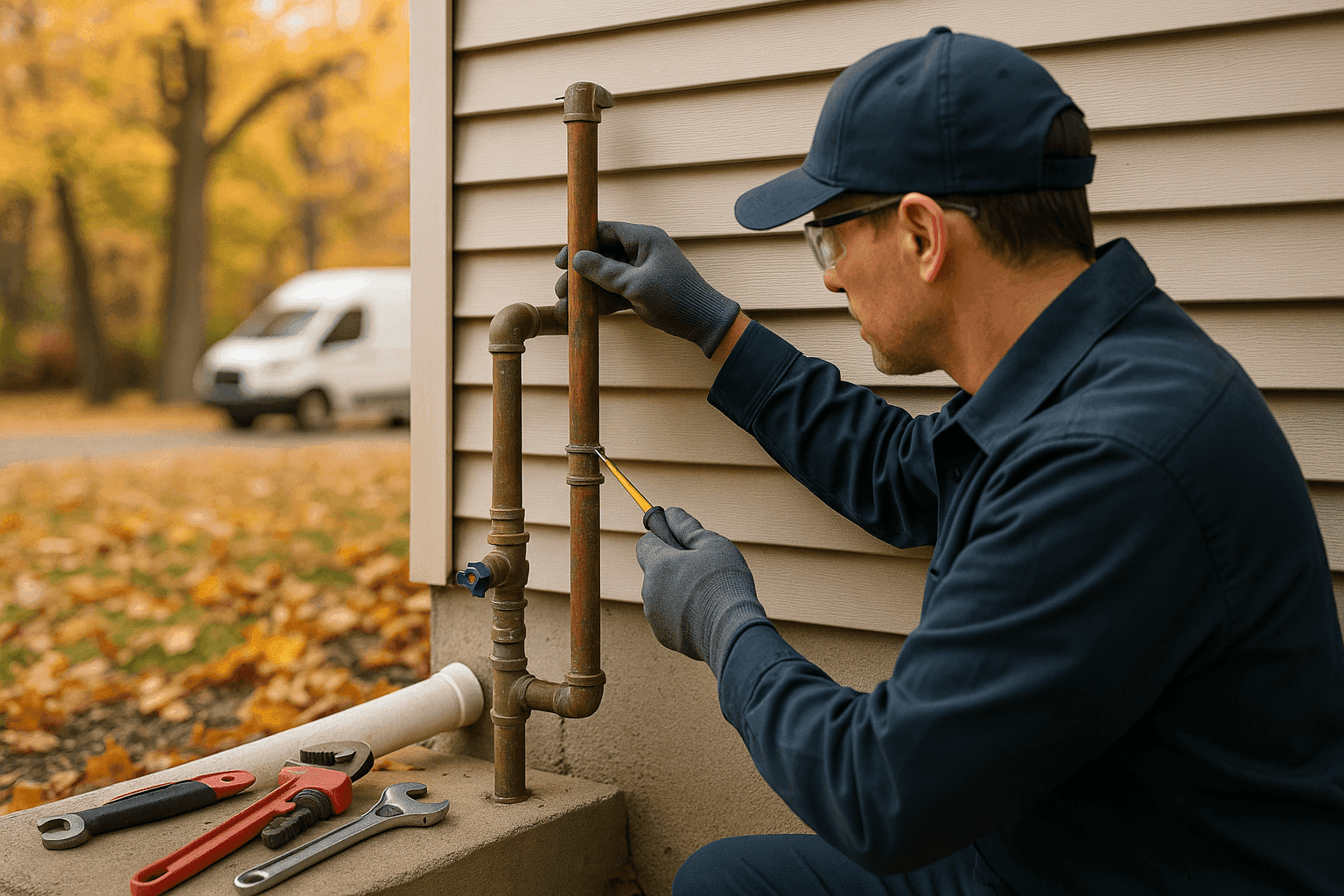
When the weather shifts, your plumbing feels it first. Pipes groan in the cold. Faucets drip in the heat. One season’s mild day can turn into the next’s plumbing headache. At Burger Plumbing, we know how frustrating it is to deal with a surprise leak or a frozen pipe.
You don’t have to wait for disaster. With a few smart steps, you can keep your plumbing healthy all year—saving money, time, and a whole lot of stress.
Understanding Seasonal Plumbing Risks 🛠️
Every season brings its own set of plumbing challenges. Think of your plumbing like the branches of a tree—flexible but vulnerable to the winds of change. Here’s what to watch out for:
- Winter: Pipes can freeze and burst, especially in unheated spaces. Water heaters work overtime.
- Spring: Thawing ground and heavy rains can overwhelm sump pumps and expose leaks.
- Summer: High water use strains pipes. Hot weather can worsen slow leaks and stress water heaters.
- Fall: Falling leaves can clog outdoor drains. Temperature swings can loosen pipe joints.
Ignoring these risks is like driving on bald tires before a snowstorm. Stay ahead with a little know-how and regular checks.
Winter Plumbing Preparation Tips
Cold snaps can turn a trickle into a flood. Here’s how to keep your plumbing safe when the temperature drops:
1. Insulate Exposed Pipes
Wrap pipes in unheated spaces—like basements, attics, and garages—with foam insulation sleeves. Even thick towels can help in a pinch. Pay special attention to pipes near exterior walls.
2. Seal Drafts and Gaps
Cold air sneaks in through tiny cracks. Use caulk or weatherstripping around windows, doors, and pipe entry points. This keeps your home warmer and your pipes safer.
3. Let Faucets Drip (Just a Little)
On the coldest nights, let a trickle of water run from faucets connected to vulnerable pipes. Moving water is less likely to freeze.
4. Disconnect Outdoor Hoses
Remove, drain, and store hoses before the first freeze. Shut off and drain outdoor faucets if possible.
5. Check Water Heater Settings
Make sure your water heater is set to at least 120°F (49°C). This helps prevent freezing and keeps hot water ready for busy mornings.
6. Know Where Your Main Shutoff Valve Is
If a pipe bursts, you’ll want to turn off the water fast. Locate your main shutoff valve now—before you need it.
Safety Tip: The International Plumbing Code recommends pipe insulation in unheated areas to help prevent freezing.
Summer Plumbing Maintenance Strategies
Summer brings sunshine, pool parties, and—sometimes—plumbing surprises. Here’s how to keep things flowing:
1. Inspect for Leaks
Check under sinks, behind toilets, and around appliances for drips or water stains. Small leaks can get worse with heat and heavy use.
2. Maintain Sump Pumps
Test your sump pump before heavy rainstorms. Pour a bucket of water into the pit—the pump should start automatically. Clean the pit and check the discharge line for obstructions.
3. Check for Slow Drains
Slow drains in summer can signal clogs or tree root intrusion. Use a plunger or drain snake for minor clogs. If that doesn’t help, it’s time to call in help.
4. Inspect Outdoor Plumbing
Sprinkler systems and outdoor spigots work hard in summer. Check for leaks, broken heads, and proper water flow.
5. Watch Water Pressure
Sudden drops in water pressure can mean a hidden leak or a problem in the main line. Don’t ignore it—investigate early.
6. Service Water Heaters
Flush your water heater to remove sediment buildup. This helps maintain efficiency and extends the heater’s life.
Pro Tip: The Uniform Plumbing Code suggests annual water heater maintenance to prevent scale and corrosion.
Emergency Preparedness for Plumbing Issues
Even with the best planning, emergencies happen. Be ready with these steps:
- Keep Emergency Numbers Handy: Save Burger Plumbing’s number in your phone.
- Know Your Shutoff Valves: Main water, gas, and appliance shutoffs should be easy to find.
- Stock Basic Supplies: Pipe insulation, towels, buckets, and a flashlight can make a big difference in a pinch.
- Have a Backup Plan: If you run a small business, know how to shut down water to affected areas without disrupting the whole operation.
Warning: Never attempt major repairs on gas lines or main sewer lines yourself. Call a licensed plumber immediately.
Creating a Year-Round Plumbing Maintenance Schedule 🗓️
A little planning goes a long way. Here’s how to keep your system in top shape, season after season:
Fall
- Drain and store hoses.
- Insulate pipes.
- Test sump pumps.
- Schedule a water heater check.
Winter
- Monitor for frozen pipes.
- Let faucets drip during cold snaps.
- Check for leaks after thaws.
Spring
- Inspect for damage from freezing.
- Test sump pumps before heavy rains.
- Clean gutters and downspouts.
Summer
- Check for leaks and slow drains.
- Flush water heater.
- Inspect outdoor plumbing.
Set reminders in your calendar. Regular checks can catch small problems before they become big headaches.
Preventing Frozen Pipes and Other Common Issues
Frozen pipes are a winter nightmare. Here’s how to avoid them:
- Insulate pipes in unheated areas.
- Seal air leaks.
- Keep indoor temperatures above 55°F (13°C).
- Open cabinet doors to let warm air reach pipes under sinks.
Other common issues—like clogged drains or leaking faucets—can often be prevented with regular cleaning and inspections. Don’t pour grease down the drain. Use drain strainers. And fix small leaks before they grow.
Maintaining Water Heaters for All Seasons
Your water heater works year-round. Treat it well:
- Flush the tank annually to remove sediment.
- Check the pressure relief valve.
- Inspect for rust or corrosion.
- Set the thermostat to 120°F (49°C) for safety and efficiency.
If you notice strange noises or inconsistent hot water, it’s time for a professional inspection.
Inspecting Sump Pumps Before Storm Season
A working sump pump is your best defense against basement flooding. Here’s what to do:
- Test the pump by pouring water into the pit.
- Clean the pit and remove debris.
- Make sure the discharge line is clear and directs water away from your foundation.
- Consider a battery backup system for power outages.
Detecting and Repairing Leaks That Worsen With Temperature Changes
Temperature swings can cause pipes to expand and contract, loosening joints and creating leaks. Watch for:
- Damp spots on walls or ceilings
- Musty odors
- Unexplained increases in your water bill
If you spot a leak, shut off the water and call a plumber. Quick action limits damage and saves money.
Emergency Plumbing: What to Do When Disaster Strikes 🚨
Sometimes, even the best preparation isn’t enough. If you face a burst pipe, sewer backup, or gas leak:
- Turn off the main water or gas valve immediately.
- Move valuables and electronics away from water.
- Don’t use electrical appliances near standing water.
- Call Burger Plumbing for emergency plumbing help.
Remember, your safety comes first. Never try to repair gas lines or major sewer problems on your own.
Frequently Asked Questions
How can I tell if my pipes are at risk of freezing?
Pipes in unheated spaces or along exterior walls are most at risk. If you notice frost on pipes or reduced water flow during cold snaps, take action immediately.
How often should I flush my water heater?
Most manufacturers recommend flushing your water heater once a year. This removes sediment and helps prevent corrosion.
What should I do if I find a leak?
Shut off your main water valve and call a plumber. Even small leaks can lead to major damage.
Can I use chemical drain cleaners for clogs?
It’s better to avoid chemical cleaners, which can damage pipes over time. Use a plunger or drain snake, or call a professional for stubborn clogs.
Special Considerations for Homeowners and Small Business Owners
If you own a business, plumbing issues can disrupt your operations. Regular maintenance is even more important. Schedule inspections for water heaters, backflow prevention devices, and gas lines. Keep emergency plumbing numbers posted in visible locations.
For homeowners, involve the whole family in plumbing safety. Make sure everyone knows where shutoff valves are and what to do in an emergency.
Reference: The Occupational Safety and Health Administration (OSHA) recommends training employees on emergency procedures, including plumbing emergencies.
A little preparation goes a long way. Protect your property, save money, and keep your plumbing running smoothly—no matter what the weather brings.
Call Burger Plumbing now — or reach us anytime at 1-877-778-5124 .